
Automated Lead Qualification and Meeting Booking Tools: AI Platforms Compared (2026)
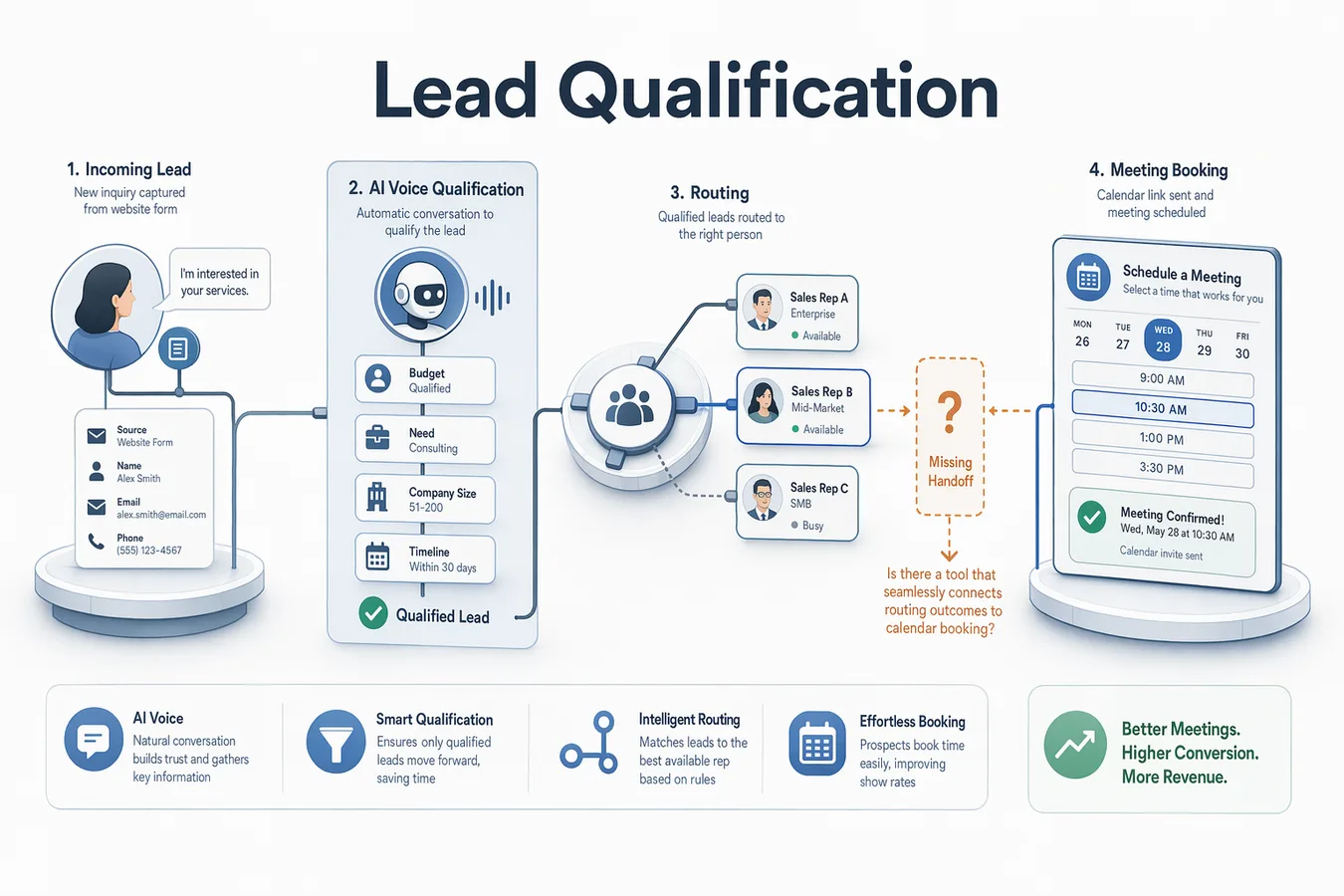
Lead qualification and meeting booking have converged into a single automated workflow. Modern AI platforms now handle capture, scoring, routing, and calendar sync without manual handoffs.
Key Takeaways
Integrated platforms execute lead qualification and meeting booking in one loop, eliminating conversion loss from tool handoffs
AI platforms adjust conversation paths dynamically against ICP thresholds and route according to budget fit, urgency, and decision-maker access
Compliance architecture, human escalation protocols, and omnichannel support are non-negotiable evaluation criteria in 2026
Workflow coverage varies sharply: some platforms handle end-to-end booking with follow-up automation; others specialize in scheduling or qualification alone
Escalation triggers define when AI must route to human agents based on complexity, sentiment, or compliance risk
What Is Autonomous Lead Qualification and Meeting Booking?
Yes — tools like VoiceGenie, Rootle, and platforms reviewed by monday.com already qualify leads automatically, score them in real time, and book meetings around the clock[1]. Autonomous lead qualification and meeting booking is a single unified workflow that captures inbound inquiries, applies conversational AI to assess fit and intent, writes confirmed appointments into Google Calendar or Outlook, and sends post-booking reminders — all without human intervention. It's a packaged product category in 2026, not a future concept.
The Full Lead-to-Meeting Workflow
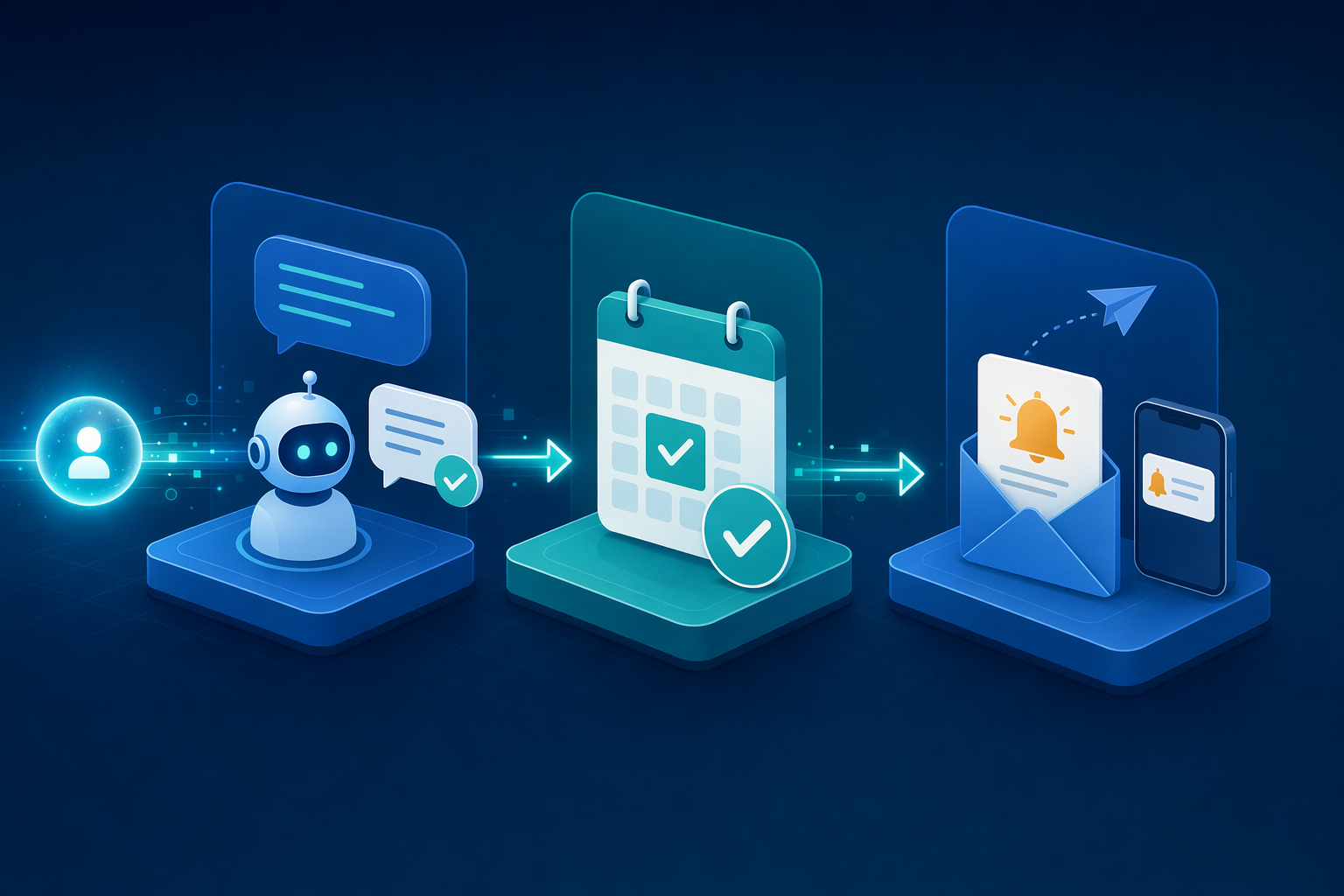
Integrated platforms execute four stages in one loop:
Inbound lead capture — form submissions, ad clicks, missed calls, or chat messages trigger an instant callback or message within seconds[1].
Adaptive qualification scripting — the AI asks structured questions about budget, timeline, decision authority, and requirements, then scores each lead against your ICP criteria.
Bi-directional calendar sync — qualified leads receive available time slots; the system detects conflicts and books directly into CRM-connected calendars.
Post-booking confirmation sequences, automated reminders, rescheduling workflows, and follow-up messages keep the meeting on track until it occurs.
Why Qualification and Booking Must Be Unified
Separate scheduling and qualification tools create handoff gaps: qualification data lives in one system, calendar availability in another, and conversion drops when leads wait for manual coordination. Integrated platforms became the 2026 standard because they close the loop, a lead qualifies and books in a single conversation, typically under two minutes, with no human delay between intent and confirmation.
Understanding how AI platforms execute these unified workflows requires examining the technical mechanics behind dynamic routing and CRM synchronization.
How AI Platforms Automate Lead-to-Meeting Workflows
Adaptive Qualification Logic and Response-Based Routing
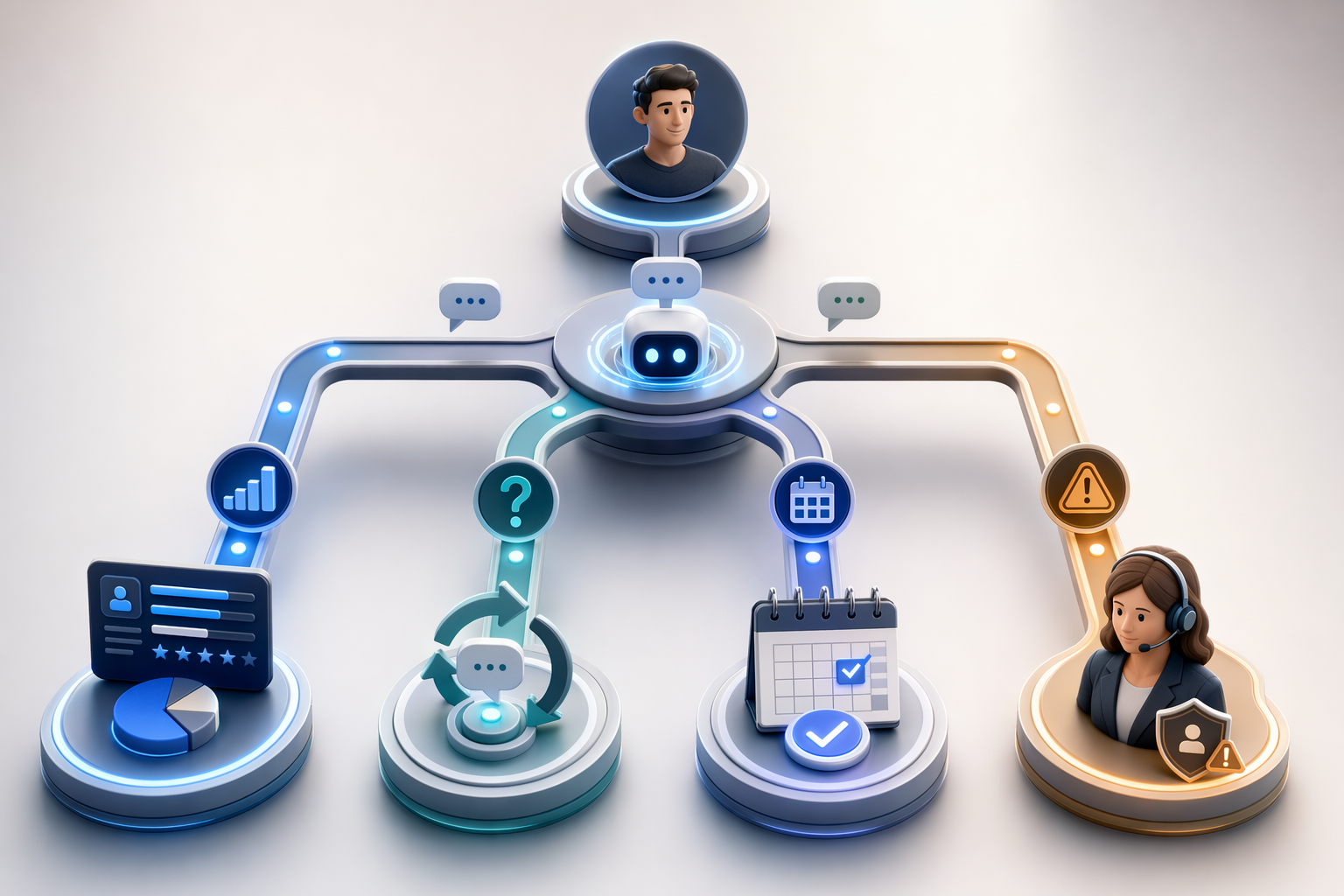
AI platforms adjust conversation paths dynamically by evaluating prospect answers against ICP thresholds, budget fit, decision-maker access, urgency level, and requirement alignment, and routing accordingly. Low-confidence responses (ambiguous budget, vague timeline) trigger clarification loops; high-intent signals (explicit interest, confirmed authority) route immediately to booking logic. Sensitivity markers, confusion, frustration, or explicit requests for human help, escalate to live reps with full conversation context. This decision framework ensures that only qualified leads consume calendar slots while edge cases receive appropriate human intervention, keeping booking accuracy above 98% [2].
Bi-Directional CRM and Calendar Sync
Platforms sync call outcomes and meeting bookings into CRM systems through webhook triggers or native connectors. Webhooks introduce minimal setup cost but add 2 to 10 second sync latency, acceptable for follow-up workflows but problematic for real-time dashboards. Native integrations (Salesforce, HubSpot, Zoho) deliver sub-second updates and preserve field-level fidelity, yet lock teams into vendor ecosystems. Calendar availability logic queries connected tools to prevent double-booking, prospects always see an open calendar when backup assignment rules auto-route to available reps. This bi-directional flow eliminates manual data entry while surfacing real-time pipeline changes.
24/7 Autonomous Operation vs Business-Hours Hybrid Models
Always-on agents capture after-hours inbound leads, nights, weekends, global time zones, and qualify or book immediately, converting interest that manual SDR workflows would lose to next-business-day delays. Platforms handle thousands of calls simultaneously [3], scaling without headcount. Restricting AI to business hours only wastes this scale advantage; teams still staff for peak coverage yet forfeit the 16-hour overnight window when competitors' voicemail picks up. The hybrid anti-pattern, AI screens, human closes, makes sense only when product complexity demands live demos, not for transactional bookings or qualification calls that autonomous agents resolve end-to-end.
The operational mechanics above set the foundation for evaluating specific platform features. Choosing the right solution demands a structured feature assessment framework.
Key Features to Evaluate in Lead Qualification and Booking Tools
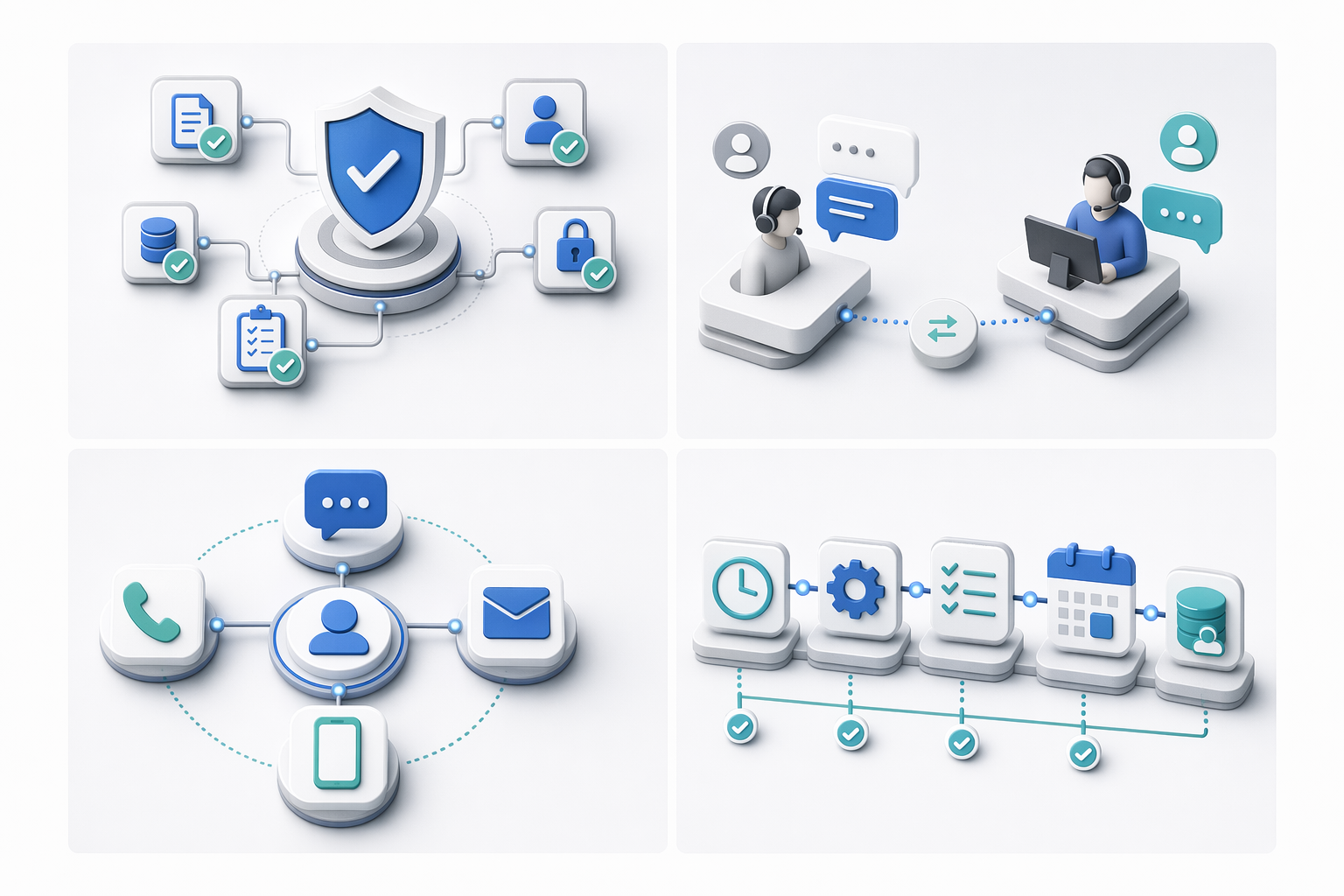
Buyers choosing automated qualification and booking platforms in 2026 must prioritize compliance architecture, human escalation protocols, omnichannel support, and post-booking workflow automation. These criteria separate production-ready systems from experimental voice dialers.
Compliance Requirements: TCPA, DNC, and Opt-In Protocols
AI-generated voices are treated as artificial or prerecorded voice under TCPA regulations[4]. Business-to-business calls are often exempt from Do Not Call (DNC) rules when calling a business entity about business services[4], but platforms must enforce consent mechanisms, DNC scrubbing, and state-level call recording consent laws. Compliance controls vary widely: some platforms mention GDPR compliance[5], while others provide detailed TCPA workflows. Audit vendor documentation directly, marketing claims about automation do not guarantee regulatory safeguards.
⚠️ Compliance Verification Gap: Automation claims are common, but TCPA enforcement, DNC scrubbing, and opt-in management are inconsistently documented in vendor comparisons[5]. Buyers must verify these controls during trials, especially for platforms operating across US and EU markets.
Human Escalation Logic and Confidence Thresholds
Platforms should transfer conversations to human agents when complexity, sentiment, or compliance risk exceeds safe autonomy thresholds. Triggers include low-confidence qualification scores, emotionally charged conversations detected via sentiment analysis, fraud mentions, or disputes. Escalation workflows vary: some platforms route high-buying-intent prospects to human teams with full conversation context, while others lack configurable handoff rules. EchoLeads supports confidence thresholds and escalates when conversation clarity falls below preset accuracy levels.
Omnichannel Qualification: Voice, WhatsApp, Instagram DM, SMS
Multi-channel orchestration separates workflow platforms from single-channel dialers[6]. Unified engagement platforms provide AI voice calling, website chat, email automation, appointment booking, and CRM sync from a single dashboard[6], retaining conversation context across phone, WhatsApp, Instagram, and SMS. Channel-specific tools require manual handoffs. Look for platforms that synchronize qualification data across channels and support structured reminders, follow-up sequences, and calendar conflict detection within one system.
With evaluation criteria established, the next step is comparing how leading platforms implement these capabilities in practice.
Platform Comparison: Lead Qualification and Booking Solutions for 2026
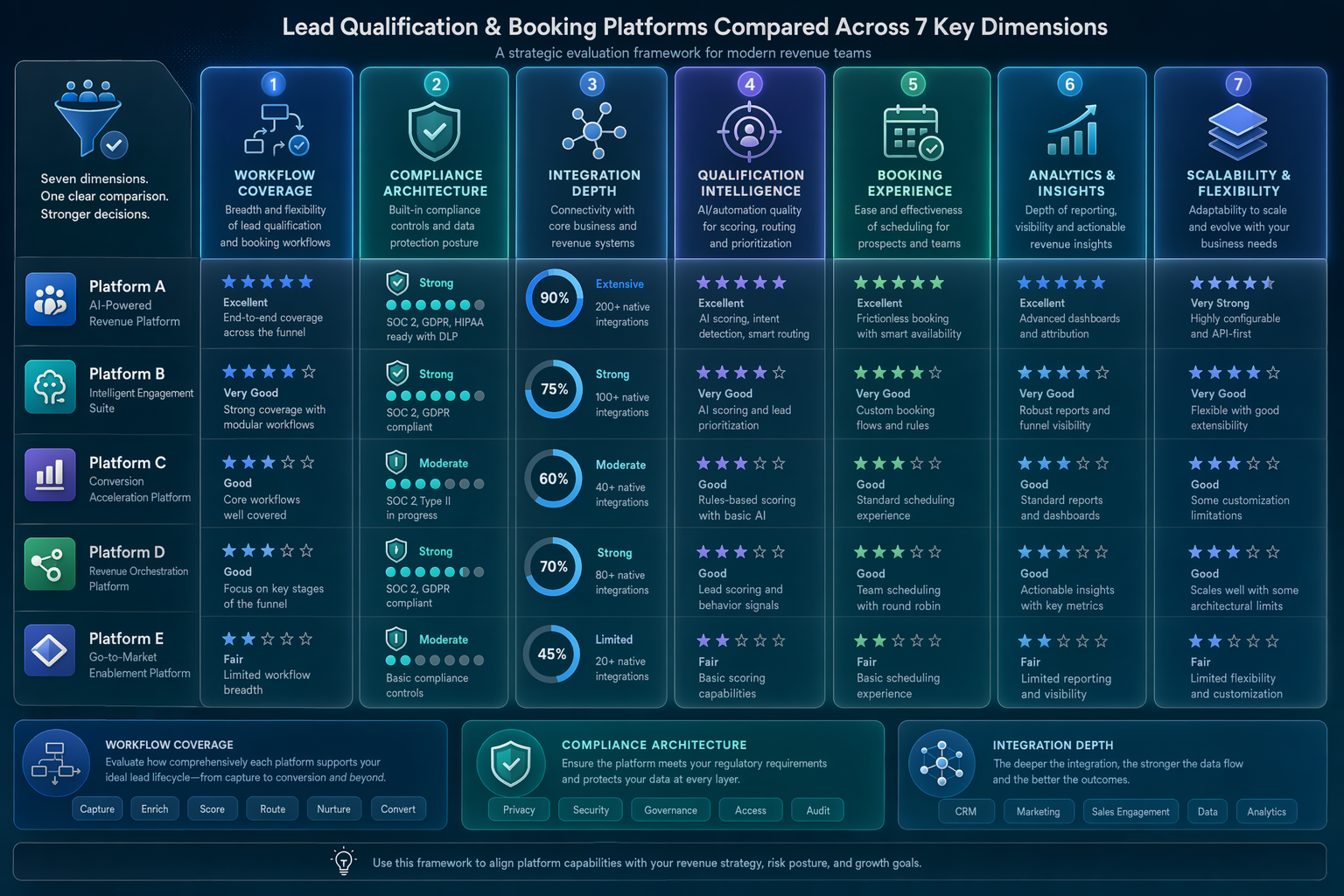
Teams evaluating automated lead qualification and meeting booking in 2026 face a crowded market. The platforms below represent distinct approaches to workflow coverage, compliance architecture, and integration depth. The comparison isolates seven dimensions that matter when the goal is to move from initial contact to confirmed meeting without manual intervention.
Comparison Table: Key Features and Trade-Offs
Platform | Starting Price | Lead Qualification Automation | Automatic Meeting Booking | CRM/Calendar Integrations | Outbound Calling Speed | India Language Support | Call Channels |
|---|---|---|---|---|---|---|---|
EchoLeads | Custom | Yes — structured questions, BANT scoring | Yes — Google Calendar, Outlook, CRM schedulers | Salesforce, HubSpot, Zoho, bidirectional sync | 3-10 seconds from trigger | 70+ languages | Voice, WhatsApp, Instagram DM |
Adandar Engage | Contact for pricing | Yes — conversation-based | Yes — calendar sync | API-based | Not specified | Not specified | Voice, WhatsApp |
Whappy | Not publicly disclosed | Partial — chatbot qualification | No | API-based | N/A | Not specified | WhatsApp only |
Retell AI | $0.05/min + telephony | Partial — developer-configured scripts | No — requires custom integration | API-based | ~350ms latency | 12+ languages | Voice only |
Cal.com | Free tier available | No | Yes — open-source scheduling | Google Calendar, Outlook, Zoom | N/A | Not specified | Web-based links only |
RevenueHero | Contact for pricing | Yes — form-based routing logic | Yes — instant calendar booking | Salesforce, HubSpot | N/A | Not specified | Web-based forms only |
The table above shows that workflow coverage varies sharply. Only three platforms, EchoLeads, RevenueHero, and Adandar Engage, offer both lead qualification and automatic booking in the same system. Cal.com handles scheduling but no qualification. Retell AI provides voice infrastructure but leaves booking logic to the developer. Whappy covers WhatsApp messaging but stops before calendar confirmation. Teams that need end-to-end automation from initial contact to booked meeting must either choose a platform that ships both capabilities or integrate separate tools.
EchoLeads: Compliance-First Omnichannel Qualification
EchoLeads handles the full booking workflow from initial inquiry responses to calendar confirmation and follow-up reminders without human intervention. The platform uses structured questions about budget, location, and other requirements to filter high-quality prospects and automatically books meetings into Google Calendar or Outlook when leads meet qualification thresholds. Initiation happens within 3-10 seconds from form submission, ad click, or inbound call.
Strengths:
Omnichannel coverage, voice, WhatsApp, Instagram DM, with 24/7 booking availability across all channels
Compliance-first architecture with TCPA/DNC enforcement and confidence-threshold human escalation built into the workflow
CRM synchronization supports Salesforce, HubSpot, and Zoho with bidirectional sync for qualification scores and meeting updates
Limitations:
Pricing is custom, smaller teams may need to confirm minimum contract thresholds before committing
The platform is not designed to replace human judgment in complex sales conversations; high-complexity objections trigger human escalation
Best for: Teams that need regulatory compliance and multi-channel qualification in one platform, particularly organizations operating under TCPA restrictions or serving markets where WhatsApp and Instagram DM are primary contact channels. Explore omnichannel qualification workflows here.
Retell AI, Cal.com, RevenueHero: Workflow Coverage and Integration Depth
Competitors like RevenueHero and Cal.com focus narrowly on scheduling automation or lead qualification in isolation, while Whappy.ai and Retell AI cover voice agents without detailing compliance guardrails or human handoff triggers. No competitor explains the full lead-to-meeting workflow with integrated qualification logic, CRM sync, and regulatory compliance in one comparison. Retell AI delivers ultra-low latency (~350ms) for voice conversations but requires developer resources to build qualification scripts and booking logic [7]. Cal.com provides open-source scheduling with free-tier availability and integrates with Google Calendar, Outlook, and Zoom, but it offers no lead qualification layer, teams must route pre-qualified leads to Cal.com links. RevenueHero automates instant calendar booking from form submissions and integrates with Salesforce and HubSpot, but pricing is contact-gated and the platform does not support voice or WhatsApp channels.
One under-specified dimension across all platforms: multi-session context retention. It is unclear whether these systems remember prior qualification attempts across days or weeks, or restart from scratch on each new contact. Buyers should verify this during trials, context memory determines whether the platform can nurture long-cycle prospects or only handle single-session qualification.
Integration depth also varies. AI sales assistants connect to CRM, email, and phone systems [7], but the degree of bidirectional sync differs. EchoLeads pushes qualification scores, conversation transcripts, and meeting confirmations back into CRM fields in real time. Retell AI and Adandar Engage offer API-based integrations that require custom mapping. Cal.com syncs calendar availability but does not write lead data back to CRM. Teams that depend on real-time CRM updates to trigger downstream workflows, territory routing, lead scoring decay, follow-up sequences, should confirm whether the platform writes data back automatically or requires middleware.
Platform capabilities tell only half the story. Knowing when to use full automation versus human escalation determines real-world conversion rates and compliance safety.
When to Use Human Escalation vs. Full Automation
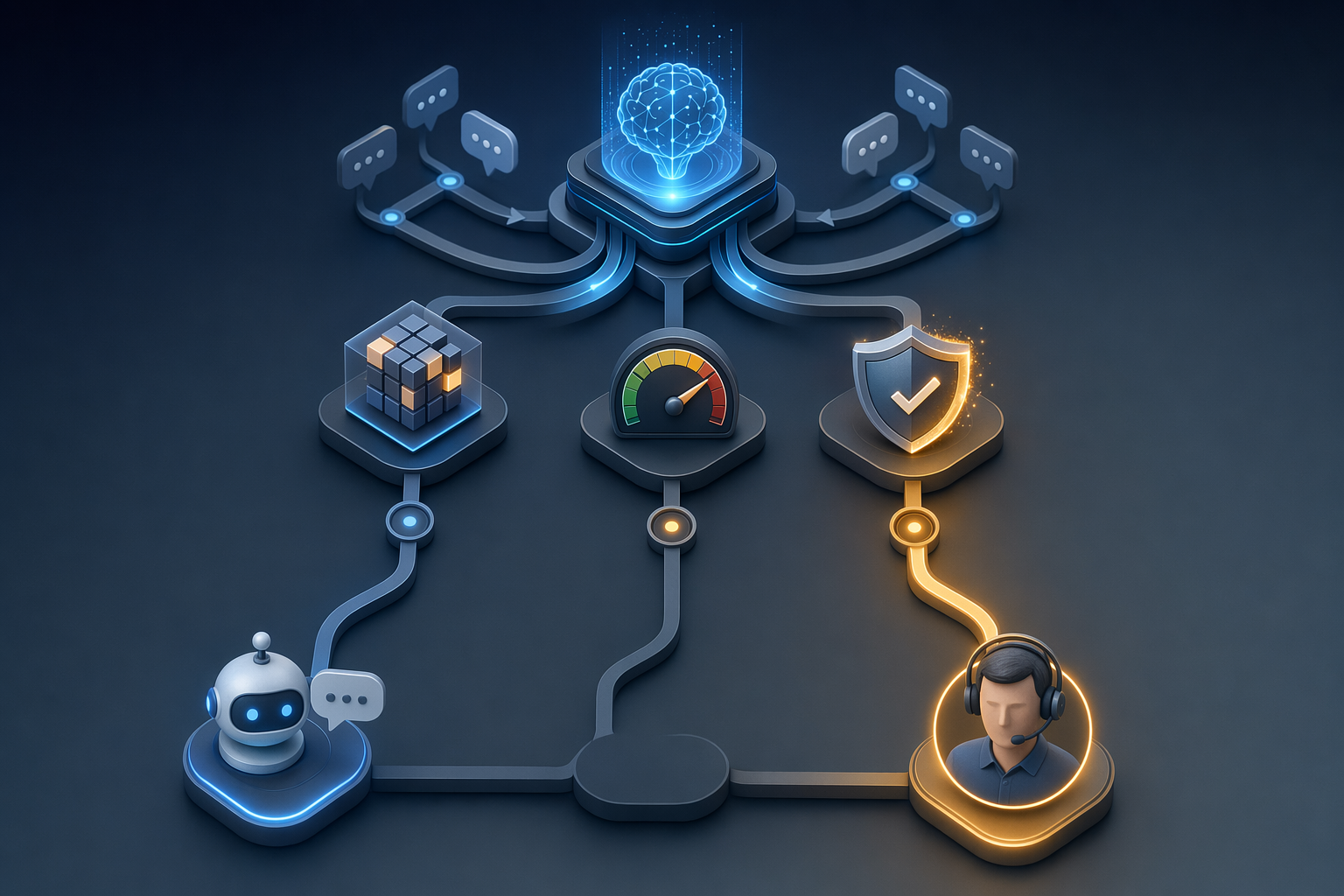
AI should not close all calls, complexity, sentiment, or compliance risk can stop full automation. Voice AI platforms like EchoLeads include intelligent escalation logic that transfers conversations to human agents when complexity, sentiment, or compliance risk exceeds safe autonomy thresholds. The trade-off is deliberate: automation handles volume and speed; human judgment handles nuance and trust.
High-Intent and Sensitivity Triggers That Require Human Handoff
Escalation triggers define when AI must route to a human agent. Platforms allow businesses to configure handoff triggers based on conversation keywords, sentiment scores, or explicit prospect requests. Common scenarios include:
Emotionally charged conversations, when sentiment analysis detects frustration, anger, or distress, human empathy becomes non-negotiable
Disputes or fraud cases, contractual disagreements, billing disputes, or fraud accusations require human judgment and accountability
Complex objections, multi-layered objections that fall outside scripted response paths (e.g., regulatory questions, custom pricing negotiations)
Low-confidence thresholds, when natural language understanding confidence falls below preset levels (typically 70-80%), the AI should hand off rather than guess
When intent signals become obvious, the follow-up AI escalates qualified leads to human agents with full conversation context and history, ensuring the human rep sees the entire interaction log before joining the call.
Routine Use Cases Where Full Automation Works
EchoLeads operates in full-autonomy mode for routine use cases: standard demo bookings, product inquiry follow-ups, appointment confirmations, and tier-1 qualification workflows where the conversation follows predictable patterns. These scenarios share common traits: high repeatability, low emotional charge, and clear success criteria (e.g., calendar slot booked, question answered, next step scheduled).
Post-booking automation is a critical revenue-protection layer. Healthcare providers face up to 30% no-show rates [8] in outpatient departments, meaning nearly one-third of booked appointments result in lost revenue. Automated confirmation sequences, reminder cadences, and no-show re-engagement workflows prevent leakage without human overhead. The platform detects buying signals or opt-out triggers and adjusts or pauses sequences without human intervention, maintaining compliance while maximizing show rates.
The boundary is clear: AI qualifies, books, and nurtures; humans close, negotiate, and resolve. Systems designed to answer calls, qualify prospects, perform automatic follow-ups, and escalate serious buyers to human teams demonstrate the augmentation model in practice, automation increases reach and speed, while human reps focus on high-value conversations that require judgment.
Escalation logic clarifies when to pull back automation. The final step is mapping your sales motion to the right platform tier.
How to Choose the Right Platform for Your Sales Workflow
Decision Framework: Business Model, Sales Cycle, and Compliance Needs
Match your platform to your sales motion using a three-tier framework:
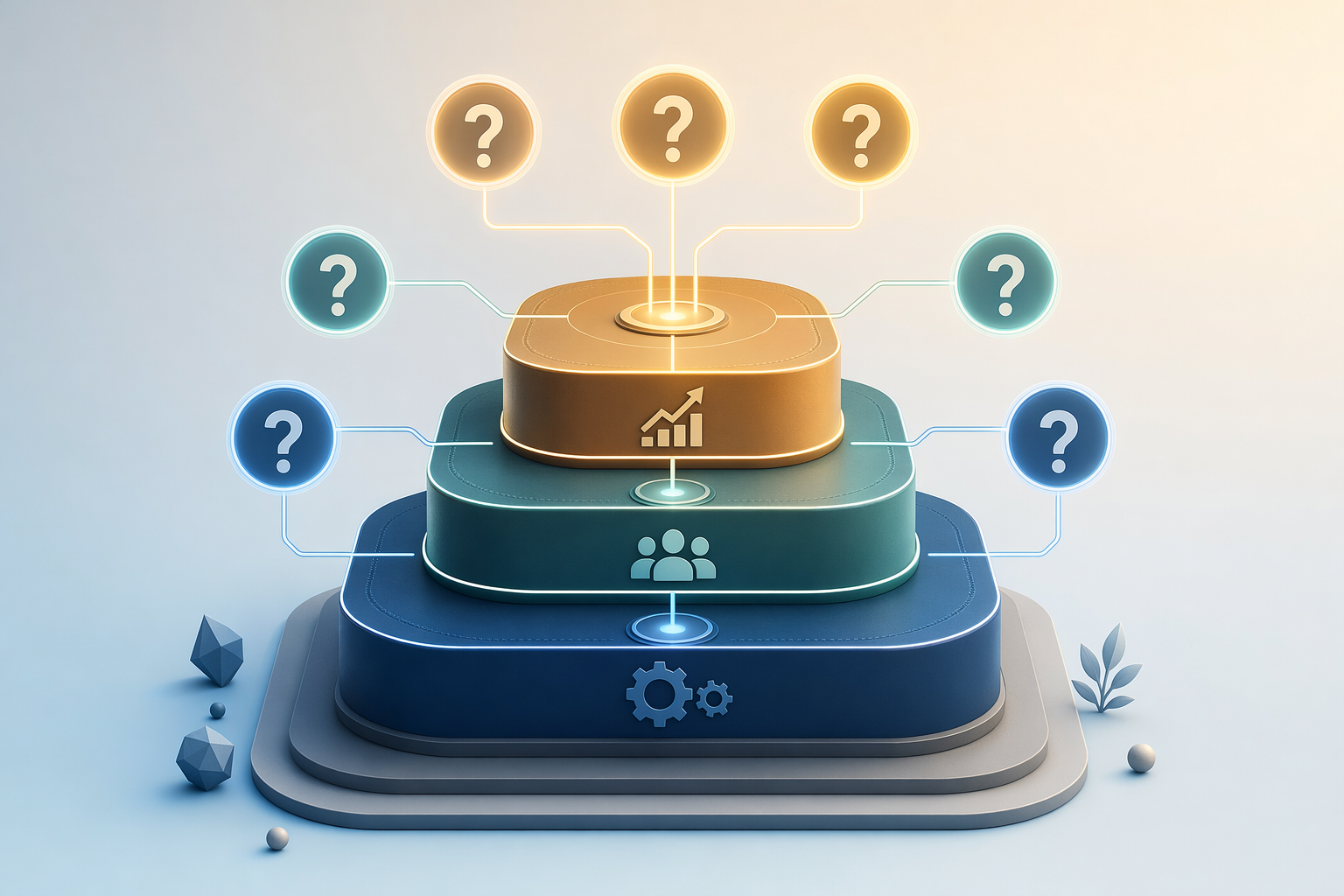
High-volume transactional sales, Favor full-automation platforms with 24/7 operation and native CRM sync. EchoLeads and Retell AI both integrate directly with major CRM platforms and support round-the-clock lead handling.
Consultative enterprise sales, Favor hybrid models with human escalation and custom scripting. Platforms that route qualified leads to reps after initial discovery preserve relationship-building while automating repetitive intake.
Regulated industries, Require compliance-first platforms with TCPA enforcement and audit trails. EchoLeads embeds workflows with TCPA compliance, key for finance, insurance, and telemarketing use cases.
Trial and Evaluation Checklist
Answer these six questions during platform trials:
Response speed, Test live calls for latency; target sub-1s response time. Simple AI keeps latency under 850ms [9].
Form-to-MQL conversion, Baseline B2B benchmarks average 5 to 15% ; your trial should match or exceed this.
MQL-to-SQL conversion, Expect roughly 13% as a starting point; qualified leads must advance to sales-ready status.
Compliance controls, Audit TCPA adherence and DNC scrubbing; vendor documentation is inconsistent, so test manually.
Escalation logic, Map when AI hands off to humans; complex objections or high-intent prospects should route immediately.
Post-booking workflows, Verify automated confirmations, no-show handling, and rescheduling logic before committing.
Conclusion
Full-automation platforms like EchoLeads and Retell AI suit high-volume transactional sales; hybrid models like RevenueHero suit consultative enterprise sales where human judgment is part of the qualification process. Omnichannel platforms (voice + WhatsApp + Instagram DM in one workflow) reduce tool sprawl but require deeper integration setup; channel-specific tools are faster to deploy but create handoff gaps.
As AI latency drops below 500ms and multi-session context retention improves, the category will shift from 'AI-assisted qualification' to 'AI-led qualification with human oversight', the platforms that transparently document escalation logic and compliance controls will capture regulated-industry buyers.
Compare EchoLeads, Retell AI, and RevenueHero using the 3-tier decision framework above, trial all three to verify compliance controls, escalation logic, and CRM sync latency for your specific workflow.
Frequently Asked Questions
Can AI voice agents really book meetings without human review?
Yes, for routine use cases like standard demo bookings, product inquiry follow-ups, and appointment confirmations where conversations follow predictable patterns [8]. EchoLeads operates in full-autonomy mode for these scenarios. High-intent or sensitive conversations should escalate to human agents quickly to maintain quality and compliance [8].
What compliance requirements apply to automated outbound calling?
AI-generated voices are treated as artificial or prerecorded voices under TCPA regulations [4]. Platforms must enforce opt-in protocols, DNC scrubbing, and state-level call recording consent laws by default [5, 6, 7]. Business-to-business calls often enjoy exemptions when calling business entities about business services, but consent mechanisms remain mandatory [4].
How do platforms handle low-confidence qualification scenarios?
Platforms transfer conversations to human agents when complexity, sentiment, or compliance risk exceeds safe autonomy thresholds [5, 6, 7]. EchoLeads supports confidence thresholds that trigger human review when conversation clarity falls below preset accuracy levels. Other platforms may auto-reject or re-engage with different scripts; buyers should verify behavior during trials.
Do AI platforms support WhatsApp and Instagram DM qualification?
Yes, omnichannel platforms integrate voice, WhatsApp, Instagram DM, and SMS qualification in one workflow [5, 6, 7]. WhatsApp enforces 24-hour conversation windows and pre-approved templates for initial outreach. EchoLeads is one omnichannel example; unified engagement platforms retain conversation context across all channels, contrasting with channel-specific tools that create handoff gaps.
What is the difference between webhook and native CRM integration?
Webhooks offer lower setup cost but introduce 2 to 10 second sync latency and potential data fidelity issues [2, 3, 4]. Native connectors provide real-time sync and better data fidelity but add vendor lock-in and setup complexity. Buyers should test sync latency during trials to match their real-time dashboard or follow-up workflow requirements.
When should I use human escalation instead of full automation?
AI should not close all calls; complexity, sentiment, or compliance risk can stop full automation [8]. Escalation triggers include emotionally charged conversations, disputes, fraud cases, and low-confidence qualification scores. High-intent or sensitive conversations should move to a competent human agent quickly [8]. Escalation is a feature, not a failure.
How do I measure ROI for AI lead qualification and booking platforms?
ROI = (leads contacted per day × MQL conversion rate × ACV) − platform cost [2, 3, 4]. Baseline benchmarks: 5 to 15% form-to-MQL conversion and 13% MQL-to-SQL conversion [2, 3, 4]. Always-on operation increases the numerator by enabling after-hours qualification without SDR headcount, capturing interest that manual workflows lose to next-business-day delays.