
4 Best AI Voice Lead Qualification Tools for Insurance
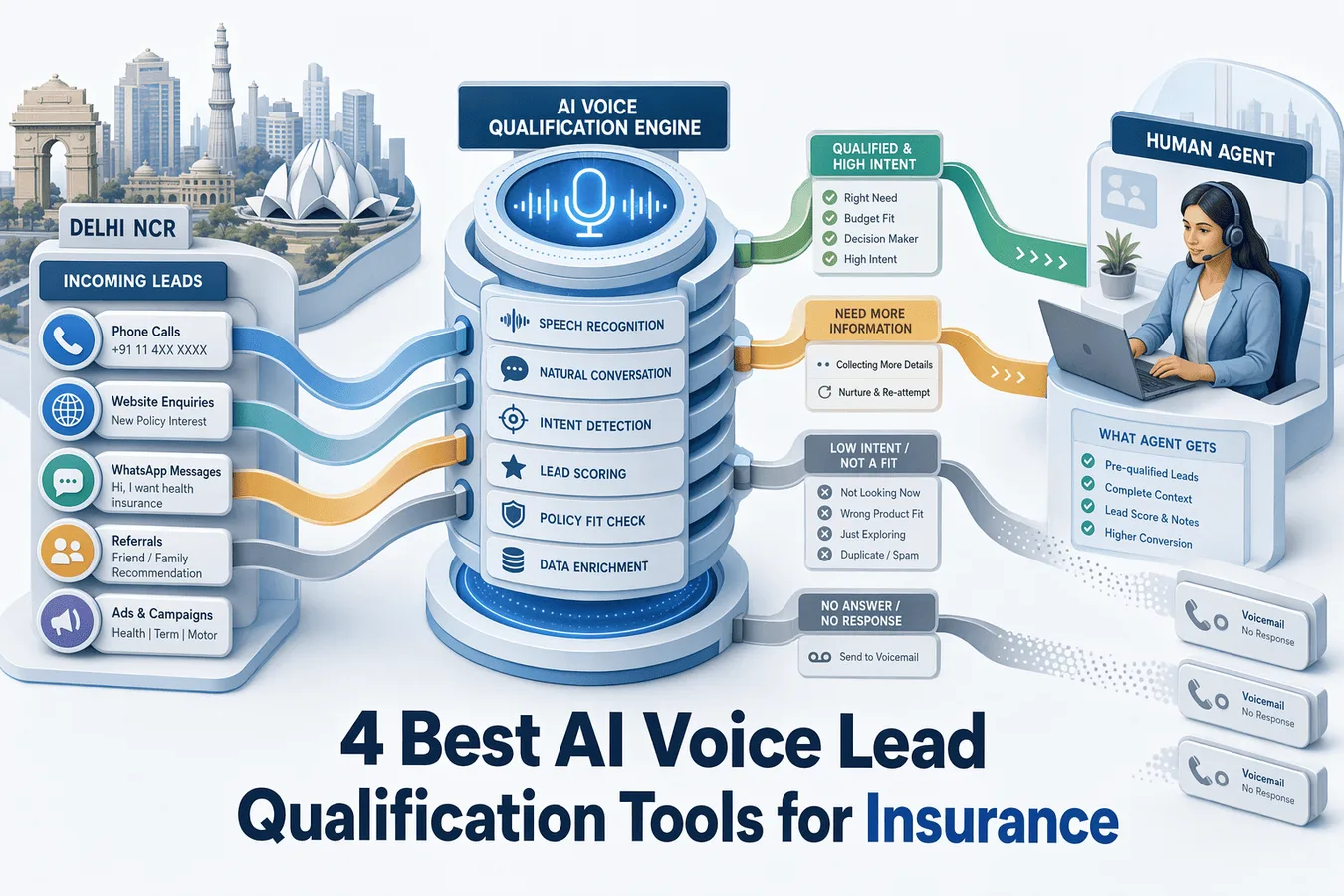
Insurance teams in Delhi NCR face a common bottleneck: manually dialing hundreds of leads daily, only to reach voicemail or unqualified prospects.
AI voice platforms automate outbound calls, qualify leads through structured conversations in Hindi and Punjabi, and escalate high-intent prospects to human agents—while maintaining IRDAI and TRAI compliance.
Key Takeaways
Voice AI platforms qualify insurance leads by analyzing tone, intent keywords, and response patterns during automated outbound conversations
IRDAI and TRAI compliance requires agent disclosure, DND registry checks, call recording, and transparent policy communication during initial contact
Regional language accuracy for Hindi, Punjabi, and Haryanvi variants remains unverified across platforms—no vendor publishes dialect-specific benchmarks
Human escalation triggers include fraud claims, emotionally charged calls, multi-product comparisons, and conversation clarity drops below preset thresholds
Deployment timelines range from 45-minute instant go-live with pre-built scripts to 72-hour custom integrations with CRM mapping and escalation rule tuning
How Voice AI Platforms Qualify Insurance Leads Without Manual Dialing
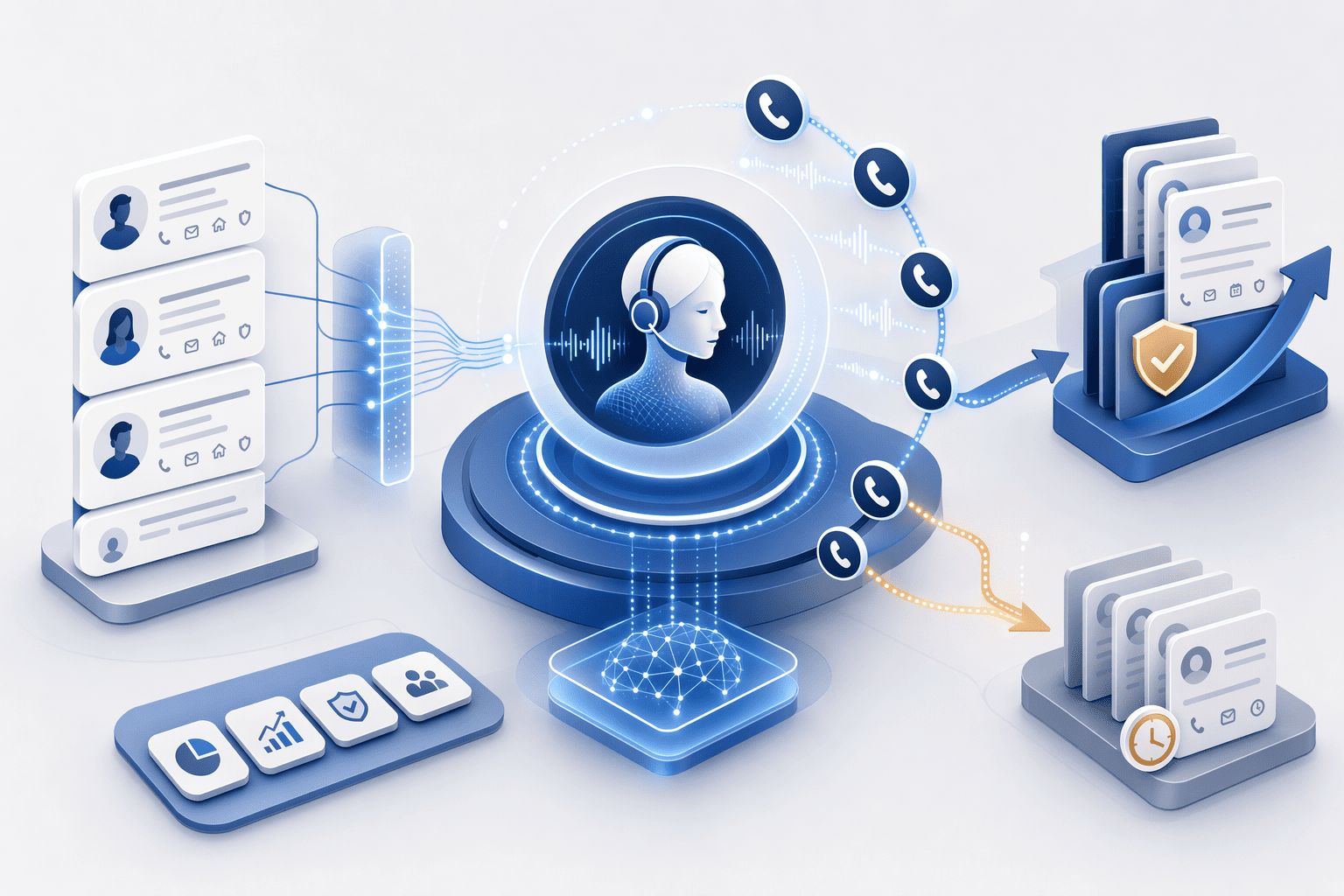
Voice AI platforms like EchoLeads, UnleashX, and AurionX enable insurance companies to qualify leads through automated outbound voice calls — no human dialing required. These systems use AI voice agents, which "help enterprises break" the cycle of manual, repetitive qualification work by handling thousands of calls autonomously. Instead of sales teams manually placing calls, the platform pulls lead lists from the CRM, initiates calls via autodialer, conducts scripted qualification dialogues, scores intent and eligibility, and routes high-intent leads to human agents or flags them for follow-up.
The Automated Outbound Workflow
EchoLeads qualifies leads using conversational intelligence, asking structured questions about budget, policy interest, and timeline. AurionX's lead-qualification-by-phone use case demonstrates how platforms extract signals — income range, competitor quotes, coverage needs — during live conversations. UnleashX claims 45-minute go-live and support for 12+ Indian languages, illustrating rapid deployment and regional language breadth.
Lead Scoring and Intent Detection
Platforms measure confidence, intent, and satisfaction by analyzing tone, keyword usage, and response patterns. High-scoring leads are routed to sales teams; low-scoring leads enter nurture sequences or are flagged for later follow-up.
Integration Points: CRM and Underwriting Systems
Voice agents sync bi-directionally with CRMs, updating contact details, qualification scores, and next steps in real time. However, voice agents do not approve loans or make underwriting decisions; final underwriting requires human oversight or automated underwriting systems. This layer handles lead qualification and data gathering, not decision-making.
Before comparing individual platforms, understanding the compliance and operational requirements specific to BFSI outbound calling in Delhi NCR establishes the evaluation framework.
Evaluation Criteria for BFSI Lead Qualification Platforms in Delhi NCR
Selecting a voice lead qualification platform for insurance and banking requires a compliance-first lens, one that no competitor documentation addresses with operational depth. While ROI case studies dominate vendor marketing (UnleashX, Rootle) and broad listicles avoid structured criteria (CloudTalk), buyers need a decision framework anchored on regulatory adherence, regional language accuracy, and human escalation transparency. India's 4% insurance penetration versus 7% global represents a $200+ billion premium opportunity, but capturing it requires platforms that navigate IRDAI telemarketing restrictions, TRAI DND 2.0 calling rules, and dialect-specific conversational accuracy without published benchmarks to guide procurement.
Regulatory Compliance: IRDAI and TRAI
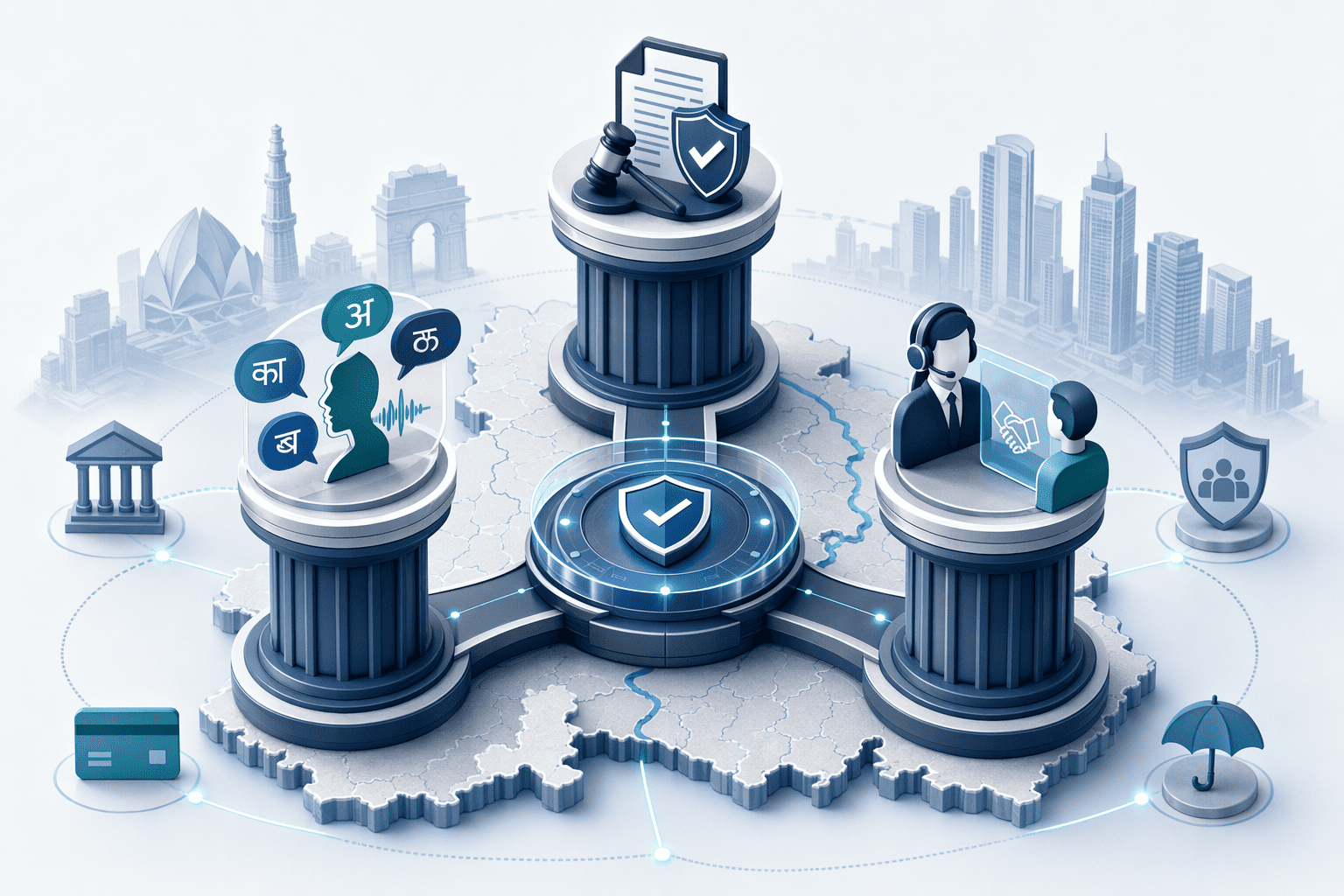
Insurance outbound calling in India must align with IRDAI's Protection of Policyholders' Interests regulations, including 7-day cooling periods, transparent policy terms, and no misleading claims during initial contact, and TRAI's National Customer Preference Register (DND 2.0), where consumers opt out of telemarketing by category. Platforms claiming IRDAI and TRAI compliance rarely disclose implementation depth: Do they maintain real-time DND sync, audit trails for consent capture, or UCC classification handling? The disclaimer holds: GDPR and CCPA compliance features appear in marketing materials, but implementation depth varies widely; organizations should consult legal counsel before deployment. Non-compliance costs up to ₹1 crore per violation, making regulatory architecture a load-bearing procurement criterion, not a checkbox feature.
Regional Language Accuracy and Dialect Support
Delhi NCR requires conversational fluency in Hindi, Punjabi, and Haryanvi dialect variants, yet no platform publishes dialect-specific accuracy benchmarks. Caller Digital's 14-language support signals breadth but not depth, 92-96% Hindi accuracy claims lack Punjabi or Haryanvi breakouts, and extrapolating from Karnataka-context Kannada benchmarks (a common vendor tactic) provides zero guidance for NCR deployment. Buyers should demand demo calls in target dialects to verify: Does the agent handle code-switching (Hindi-English-Punjabi mid-sentence), colloquial phrasing ("बीमा लेना है" vs. Formal policy inquiry), and regional idioms without breaking conversational flow? Language support lists are table stakes; dialect accuracy under real mobile audio conditions is the operational filter. For broader context on Hindi voice agent capabilities and regional language nuances, see our related guides.
Human Escalation Triggers and Handoff Quality
Voice agents should NOT autonomously handle fraud claims, disputes, emotionally charged conversations, multi-product comparisons requiring nuanced judgment, or non-standard income verification (gig workers, cash-heavy businesses), scenarios where regulatory risk and customer trust converge. Platforms differ sharply in escalation disclosure: some publish confidence thresholds and sentiment triggers (EchoLeads escalates when conversation clarity, sentiment score, or compliance risk exceeds preset limits), while competitors treat escalation logic as proprietary and do not disclose operational escalation rates. Buyers evaluating platforms should request: (1) the list of hard escalation triggers (keywords, sentiment floors, multi-turn confusion signals), (2) whether the platform logs escalation reasons in CRM for post-call review, and (3) whether human agents receive full conversation context or cold-transfer summaries. The gap between "AI handles 85% of calls" marketing claims and undisclosed 40% escalation rates in production is where compliance failures and customer friction concentrate, making escalation transparency the most under-discussed, highest-impact criterion in the decision framework.
With evaluation criteria established, the following comparison examines how four platforms implement these requirements across pricing models, integration depth, and operational transparency.
Platform Comparison: EchoLeads, UnleashX AI, Rootle AI, and Oriserve
Platform | Pricing Model | Deployment Speed | Language Support | CRM Integration | Customer Trust Signals |
|---|---|---|---|---|---|
EchoLeads | Usage-based | 72 hours (pre-built templates) | 70+ languages | Bi-directional sync (Salesforce, HubSpot, Zoho) | Measures confidence, uncertainty, satisfaction, intent per call |
Oriserve | Custom enterprise pricing | Not publicly disclosed | Not publicly disclosed | Not publicly disclosed | ROI calculator: ₹61.5L additional revenue, 3-month payback |
UnleashX AI | Custom enterprise pricing | 45 minutes (claims) | 12+ Indian languages | Salesforce, HubSpot | 2.5× conversion improvement claim, IRDAI compliance mention |
Rootle AI | Not publicly disclosed | 48 hours (CRM-synced intent scores) | 20+ Indian languages (Gujarati, Hinglish) | CRM-synced intent scores | 4,237 leads recovered with zero additional headcount |
EchoLeads: Usage-Based Pricing, 24/7 Operation
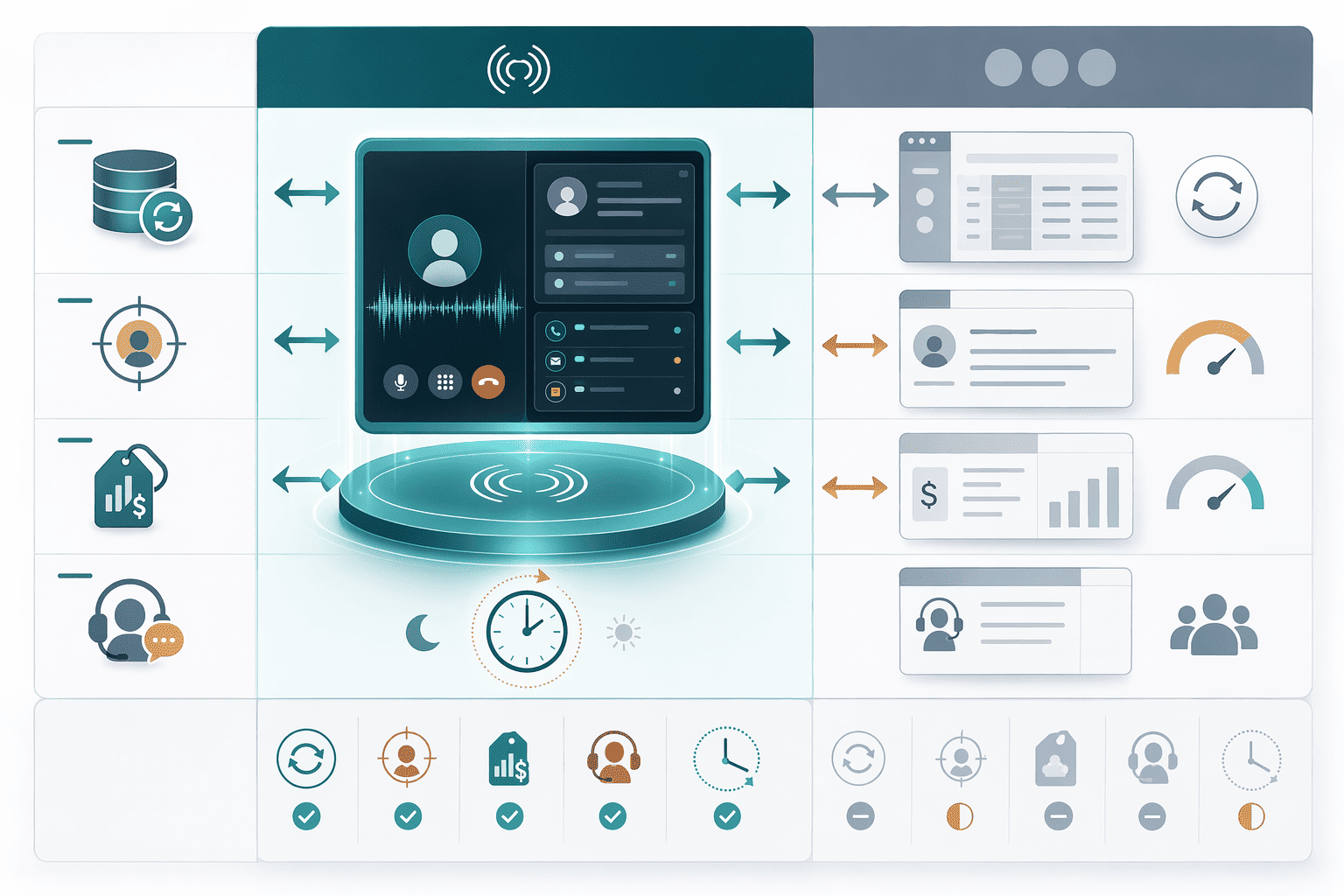
EchoLeads operates as a 24/7 AI platform for voice and messaging with bi-directional CRM synchronization that updates contact details, qualification scores, next steps, and opportunity stages based on what the prospect says during the call. The platform measures confidence, uncertainty, satisfaction, and intent metrics per conversation, enabling granular intent scoring workflows.
Strengths: Usage-based pricing model offers cost predictability for variable call volumes; 24/7 operation across multiple time zones eliminates after-hours lead loss; bi-directional Salesforce, HubSpot, and Zoho sync with automatic field updates; measures confidence, uncertainty, satisfaction, and intent per call for transparent escalation workflows.
Limitations: Not suitable for every call, the platform relies on human escalation when conversation clarity falls below preset thresholds. Deployment timeline of 72 hours using pre-built templates contrasts with competitor claims of 45-minute go-live.
Best For: Teams prioritizing granular intent scoring, transparent escalation workflows with confidence thresholds, and usage-based cost models over instant deployment.
UnleashX, Rootle, Oriserve: Competitive Positioning
UnleashX AI claims 2.5× conversion improvement with 45-minute go-live timelines and Hindi-English bilingual support for insurance workflows. The platform mentions IRDAI compliance and integrates with Salesforce and HubSpot, but published documentation lacks disclosed escalation thresholds, teams cannot verify at what clarity level the system routes calls to human agents.
Rootle AI highlights 4,237 leads recovered with zero additional headcount, instant callbacks under 2 minutes, and intent scoring in 48 hours. The platform supports 20+ Indian languages including Gujarati and Hinglish, with CRM-synced intent scores live within two days. However, pricing floors and feature-gate details are not publicly disclosed, requiring direct vendor contact for cost planning.
Oriserve positions its ROI calculator showing ₹61.5 lakh additional revenue, ₹7.68 lakh cost saving, and 3-month payback across enterprise deployments. The platform uses custom enterprise pricing, but published materials do not disclose human escalation triggers or automated handoff thresholds, teams evaluating compliance-first workflows may require additional vendor conversations to verify escalation logic.
For BFSI applications requiring continuous operation, Kallix's 24/7 banking voice agent demonstrates parallel category capability, the system handles account balance inquiries, UPI/NEFT/RTGS transaction status, and EMI queries without hold queues, with production data showing 65 to 80% call containment and 60 to 75% reduction in average handle time for routine inquiry types.
Platform capabilities matter only when they operate within regulatory boundaries, IRDAI telemarketing guidelines and TRAI DND 2.0 shape what voice agents can legally automate.
Compliance Considerations: IRDAI, TRAI DND 2.0, and Regional Language Requirements
IRDAI Telemarketing Guidelines and Platform Implementation Depth
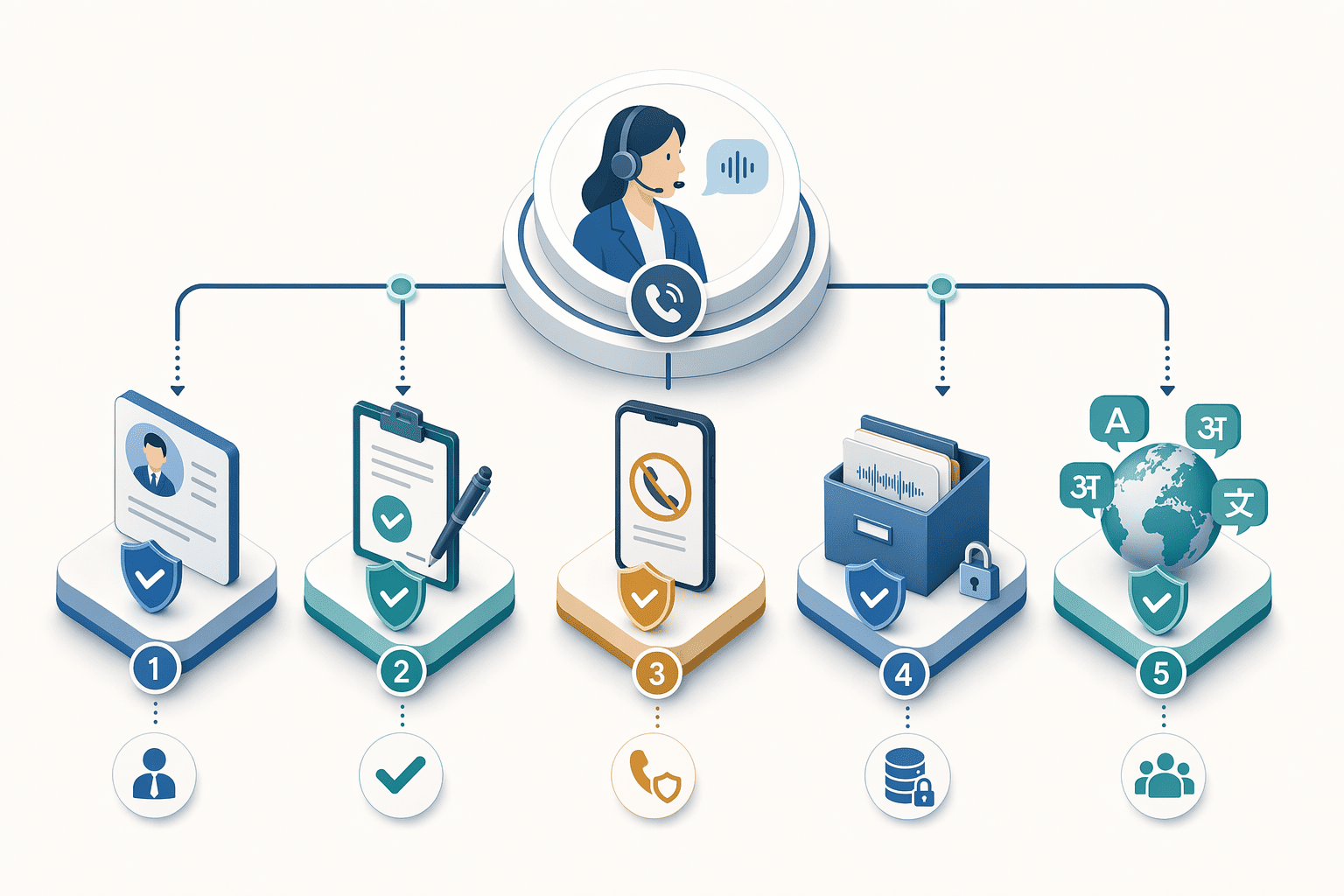
IRDAI telemarketing guidelines mandate that insurance voice AI platforms disclose agent identity at call initiation, conduct product suitability assessments based on customer profile, and retain call recordings for regulatory review periods (typically 12 to 24 months). Platforms must verify that outbound campaigns include explicit opt-in consent records and honor customer objections logged during prior interactions. While many vendors reference IRDAI compliance in product messaging, operational implementation details, such as automatic disclosure scripts, suitability logic workflows, and recording retention architecture, are rarely published. Organizations should request vendor documentation of IRDAI-aligned workflows, including sample call transcripts showing required disclosures, and consult legal counsel to verify that the platform's configuration meets current guidelines before deploying insurance voice campaigns.
TRAI DND 2.0 and Consent Management for Outbound Campaigns
TRAI's Do Not Disturb (DND) 2.0 framework requires platforms to check registered phone numbers against the National Customer Preference Register before initiating outbound calls, automatically suppress DND-listed contacts from campaign lists, and log opt-out requests in real time. Platforms must maintain timestamped consent records that document when and how the customer agreed to receive calls, and honor opt-out requests within 24 hours. Delhi NCR-specific voice AI implementations should verify DND registry integration for local telecom operators and confirm that consent workflows capture regional preferences, such as Hindi-language opt-in confirmations or callback scheduling that respects Delhi NCR business hours. No competitor platform currently publishes detailed DND synchronization protocols or regional consent workflow documentation (extrapolated from similar disclosure gaps observed in Karnataka regulatory contexts). Insurance teams should verify during platform evaluation that the vendor provides DND API integration, automated consent logging, and regional compliance support tailored to Delhi NCR telecom regulations.
Regional Language Verification and Dialect Demo Protocols
Published accuracy benchmarks for Hindi and Punjabi voice AI conversational fluency remain scarce across the insurance technology category. Platforms that claim multilingual support typically do not disclose dialect-specific pronunciation accuracy, code-switching handling (common in Delhi NCR where customers blend Hindi, Punjabi, and English), or cultural context recognition for insurance-specific terminology. Given this information gap, insurance teams should conduct live demo calls in the target dialects spoken by their Delhi NCR customer base, testing scenarios such as policy renewal reminders, premium payment inquiries, and claims status updates, to verify that the AI handles regional accents, understands colloquial phrasing, and delivers culturally appropriate responses. Request recordings of prior Hindi/Punjabi insurance calls from the vendor, and involve native-speaking team members in evaluation sessions to assess conversational quality before committing to a platform contract.
Compliance frameworks define boundaries, but escalation logic determines where automation stops and human judgment begins, particularly when regulatory risk and customer trust converge.
When Voice Agents Should Escalate to Human Teams
Autonomous Qualification Scenarios
Voice agents handle standard eligibility screening autonomously, age verification, income range checks, existing policy lookups, when conversation clarity remains high. Policy quote delivery, appointment scheduling, and lead data capture (contact details, preferred coverage amounts, callback windows) fall within safe automation boundaries. These interactions follow predictable structures and carry low compliance risk.
Mandatory Human Escalation Triggers
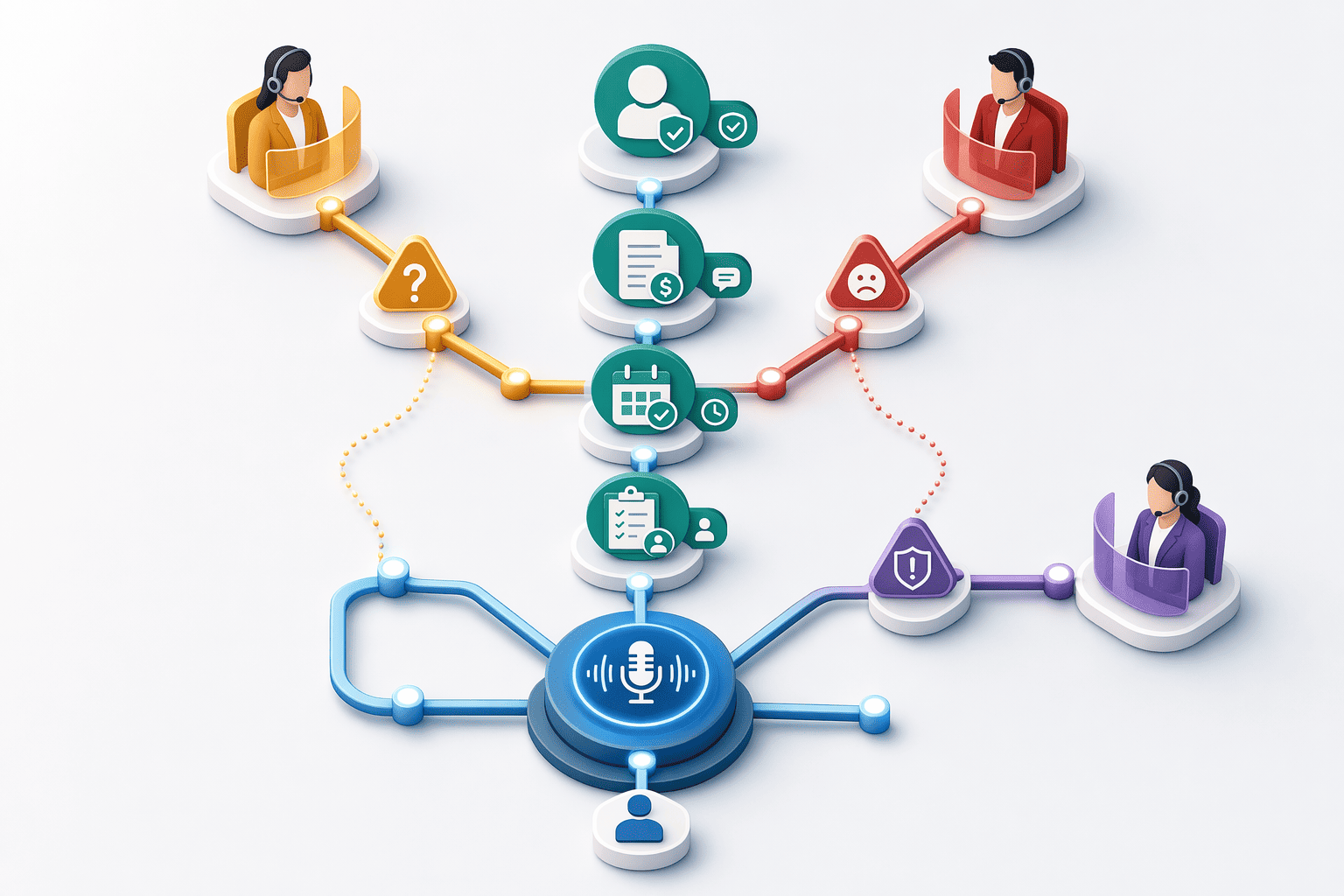
Voice agents must escalate when complexity, sentiment, or compliance risk exceeds safe autonomy thresholds. Fraud accusations, identity verification failures, and emotionally charged conversations, dispute over denied claims, accusations of unfair pricing, require human judgment. Multi-product comparisons requiring nuanced trade-off explanations (term life vs. Whole life across riders and exclusions), non-standard income verification (gig workers, retirees with portfolio income), and co-borrower scenarios involving multiple decision-makers all trigger mandatory handoff. Banking call centers face similar escalation imperatives, proactive issue detection reduces call volume while preserving service quality for high-stakes interactions.
EchoLeads Escalation Thresholds and Competitor Disclosure Gaps
EchoLeads escalates when conversation clarity, sentiment scores, or compliance risk crosses preset thresholds. Businesses configure handoff triggers based on conversation keywords, sentiment analysis, or explicit prospect requests. Competitors (UnleashX, Rootle, Oriserve) do not publish operational escalation rates or sample escalation logs in vendor documentation. When evaluating platforms, request real-world escalation thresholds, human-handoff percentages by conversation type, and sample call transcripts showing autonomous-to-human transitions. See AI voice agents in finance for additional BFSI escalation and automation context.
Technical capabilities and escalation workflows require smooth CRM integration and realistic deployment timelines to deliver operational value.
Integration Requirements and Deployment Timelines
CRM Integration Depth: Bi-Directional Sync vs. One-Way Push
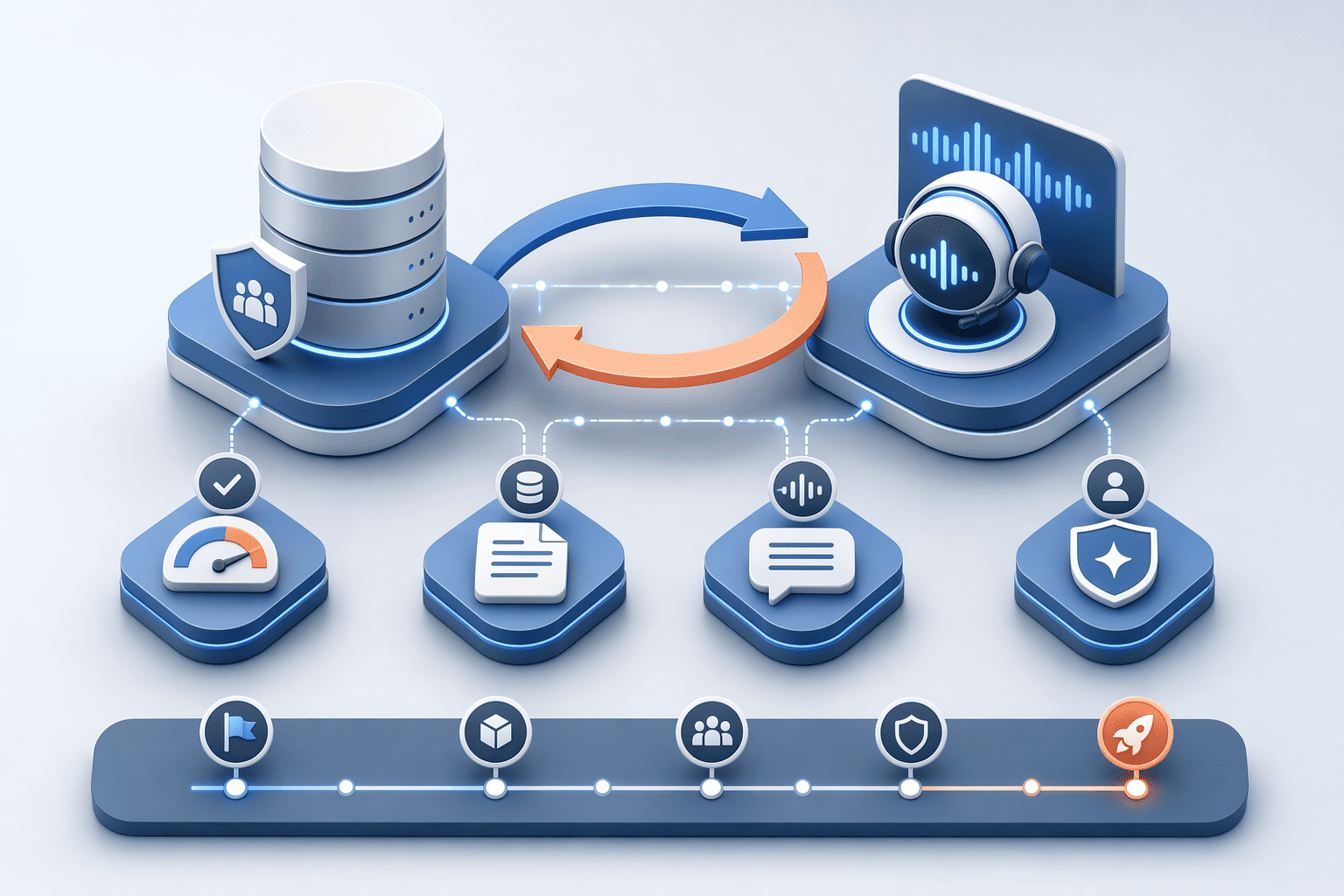
EchoLeads provides bi-directional CRM sync with major platforms, writing back qualification scores, conversation transcripts, and next-step recommendations without manual data entry. Competitors often advertise CRM integration but limit free tiers to one-way lead export, pushing qualified contacts into your pipeline without updating call outcomes, sentiment scores, or intent signals back. Hidden limits on entry-level plans include SMS quotas, payment processing fees, and seat minimums that are not disclosed in marketing materials. Ask vendors for feature gates and usage caps before committing.
API Documentation and Developer Support Requirements
Some platforms advertise open APIs but require developer support contracts for integration work. Talkrix illustrates category expectations with enterprise call automation claims, highlighting the integration depth needed for high-volume workflows. Ask whether the platform provides self-service API documentation or gates integration behind a paid support contract, technical resources in-house determine whether instant deployment is realistic.
Realistic Deployment Timelines: 45 Minutes vs. Weeks
UnleashX claims 45-minute go-live; Rootle similarly emphasizes speed. EchoLeads deploys in 72 hours using industry-specific templates, though some implementations require weeks-long waiting for custom conversation flows, CRM mapping, and escalation rule tuning. The trade-off: instant go-live often means pre-built scripts and limited customization; longer deployments allow deeper workflow alignment with your existing sales process and compliance requirements.
UnleashX and Rootle emphasize instant go-live (45 minutes) and broad language support, but do not disclose operational escalation thresholds or feature-gate details on entry-level plans. EchoLeads trades longer deployment timelines for transparent escalation workflows and granular intent scoring, confidence, uncertainty, satisfaction, and intent metrics. Platforms with custom enterprise pricing like Oriserve provide ROI calculators and financial modeling support, but lack published pricing floors; usage-based models offer cost predictability for variable call volumes but require careful quota monitoring to avoid overage fees.
As IRDAI and TRAI refine telemarketing and data privacy guidelines through 2026, platforms that publish operational compliance detail and regional consent workflows will gain regulatory trust advantage over those relying on generic compliance claims in marketing materials.
Request demo calls in Hindi and Punjabi, ask vendors for sample escalation logs and IRDAI compliance implementation documentation, then compare EchoLeads's usage-based pricing and escalation transparency against competitor instant-deployment claims.
Frequently Asked Questions
Do AI voice agents approve insurance policies or underwrite applications?
No, voice agents handle lead qualification and data gathering only, syncing updates bi-directionally with CRMs. Final underwriting requires human oversight or automated underwriting systems; voice AI does not approve loans or make underwriting decisions.
How accurate are Hindi and Punjabi voice agents for Delhi NCR insurance calls?
No platform publishes dialect-specific accuracy benchmarks for Hindi, Punjabi, or Haryanvi variants. Platforms like Caller Digital signal breadth with 14-language support but lack depth verification. Conduct demo calls in target dialects to verify conversational fluency and cultural context handling.
What is the typical ROI for AI voice lead qualification in insurance?
A leading life insurer cut cost per sale by 58%, UnleashX claims 2.5x conversion improvement, Rootle recovered 4,237 leads with zero headcount, and Oriserve's ROI calculator projects ₹61.5L revenue add with 3-month payback. Verify current pricing and ROI projections directly with vendors.
How long does it take to deploy a voice AI lead qualification platform?
UnleashX and Rootle advertise 45-minute go-live with pre-built scripts and limited customization. EchoLeads deploys in 72 hours using industry-specific templates, allowing custom conversation flows, CRM mapping, and escalation rule tuning, trading speed for operational control.
Are these platforms compliant with IRDAI and TRAI regulations?
All platforms claim IRDAI/TRAI compliance, but implementation depth varies. IRDAI mandates agent disclosure and call recording; TRAI DND 2.0 requires DND registry checks and opt-out mechanisms. Verify operational compliance features through documentation requests and consult legal counsel before deployment.
When should voice agents escalate to human insurance agents?
Voice agents should not autonomously handle fraud claims, disputes, emotionally charged conversations, multi-product comparisons, or non-standard income verification. EchoLeads escalates when conversation clarity, sentiment scores, or compliance risk exceeds preset thresholds; competitors do not disclose operational escalation rates.
What CRM integrations do these platforms support?
EchoLeads offers bi-directional sync with major CRMs, writing back qualification scores, conversation transcripts, and next-step recommendations in real time. Competitors vary in integration depth; some require developer support contracts. Verify hidden free-tier limits like SMS quotas and seat minimums before deployment.
Related articles
6 Best AI Outbound Calling Solutions for Loan Verification
Compare AI outbound calling platforms that verify loan applications 24/7
5 Common Causes of Long Bank Loan Inquiry Call Wait Times
Why do bank customers complain about long wait times for loan inquiry calls? Learn the 5 Common Causes of Long Bank Loan Inquiry Call Wait Times.
How Banks in Delhi Can Handle Loan Season Calls with AI
Learn how AI voice agents can be used for loan callbacks for banks in Delhi NCR.